
Diamond Grit Coating


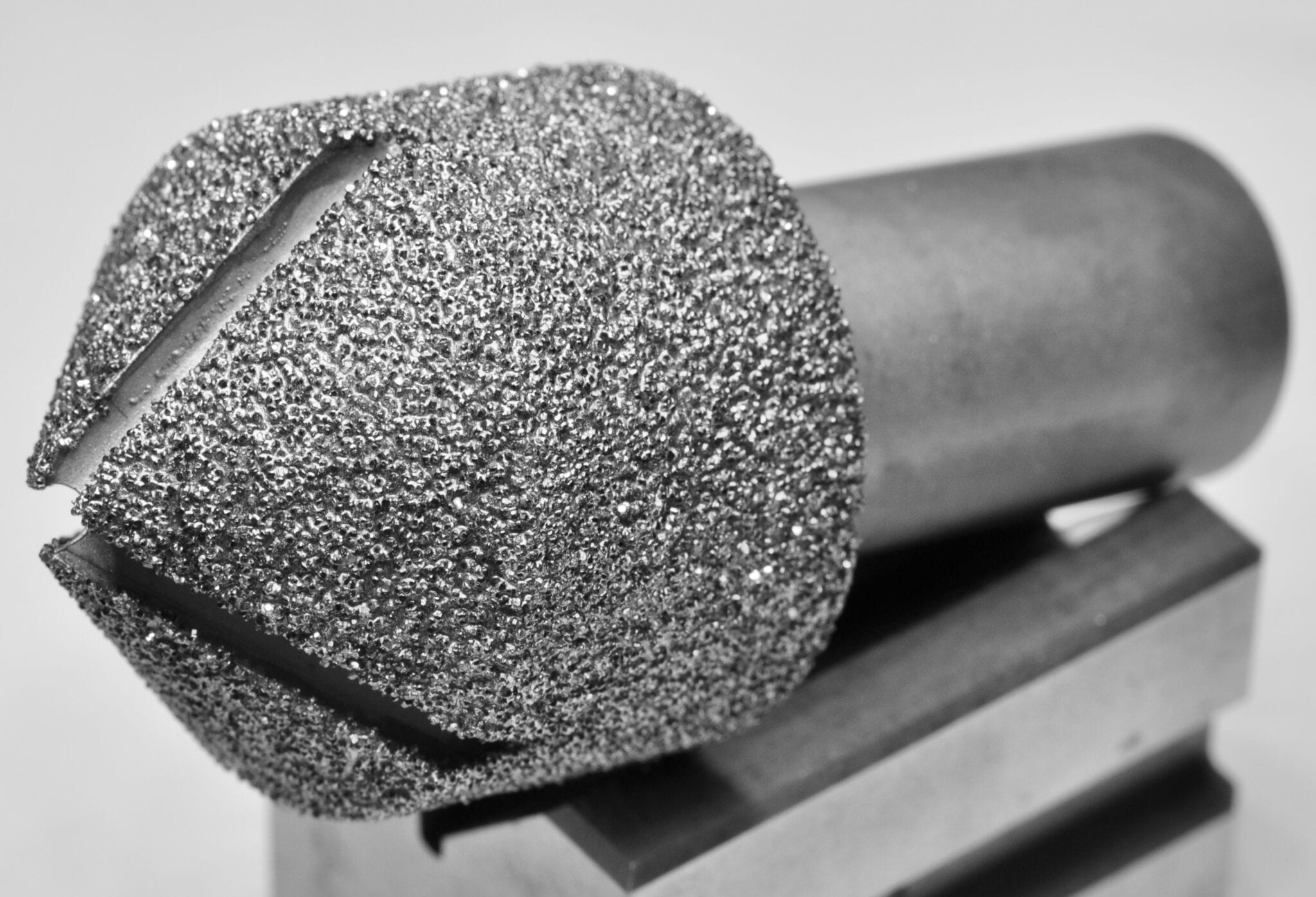


Diamond Grit Coating has revolutionized the machining industry by providing exceptional cutting and grinding solutions that enhance productivity and efficiency. In this article, we will explore the various aspects of Diamond Grit Coating, including its applications, benefits, and the different types of plating methods available, along with real-world examples that demonstrate its effectiveness.
Why Choose NDTC for Diamond Grit Coating?
With over 25 years of experience in the diamond tooling industry, NDTC has perfected the art of coating. All coatings are applied using premium U.S.-sourced materials and carefully maintained process controls. Our family-owned approach means every job receives personal attention and quality assurance at every step.
When you choose NDTC, you’re getting:
-
Proven expertise in PCD, CBN, and diamond grit tooling
-
In-house coating and finishing capabilities
-
Quick turnaround times and consistent results
-
A partner that understands real-world machining challenges
Types of Plating for Diamond Grit Coating
Each plating method has distinct characteristics that make it suitable for specific applications. For example, resin bond coatings are typically used for softer materials to prevent chipping and improve surface finish, while metal bond coatings are ideal for harder materials due to their superior strength and durability. Electroplated diamond tools provide a more precise cutting edge, making them perfect for intricate designs.
Diamond Grit Coating is a synthetic diamond compound that is adhered to blanks like wheels, blades, and core drills/hole saws. Grit coating can be applied by using the following methods:
Additionally, the choice of bonding method can affect the overall performance of the tool. Understanding the appropriate applications for each method is key to maximizing the benefits of Diamond Grit Coating.
For instance, industries like aerospace and automotive often require tools that can withstand extreme conditions, where metal bond coatings excel due to their thermal stability and resistance to wear.
- Resin Bond
- Metal Bond
- Electroplating
Moreover, the application of Diamond Grit Coating is not limited to grinding alone; it has also found extensive use in cutting applications, particularly in industries that demand precision and high-quality finishes. This versatility makes it a preferred choice among manufacturers.
When considering the optimal method for applying Diamond Grit Coating, various factors come into play, such as the material being worked and the intended application. For instance, resin bonding is often preferred for applications requiring a more flexible and lightweight solution, while metal bonding provides higher durability for heavy-duty tasks. Electroplating is commonly used in precision applications, where a high degree of accuracy is necessary.
Applications
As we examine the various applications, it's clear that the grit size plays a crucial role in determining the effectiveness of each tool. Larger grits can remove material quickly, while finer grits are essential for achieving smooth surfaces and precise finishes.
We apply diamond grit coating of any mesh size to:
- Chamfering Tools
- Hole Saws
- End Mills
- Counter Sinks
- Custom Tooling Solutions
Each of these applications benefits significantly from the enhanced performance characteristics of Diamond Grit Coating, resulting in longer tool life, reduced downtime, and improved overall efficiency. For instance, in the manufacturing of chamfering tools, the diamond grit coating can provide superior edge retention and wear resistance, which translates into better finish quality and precision during operation.
Ultimately, the implementation of Diamond Grit Coating enhances not only the performance of the tools but also contributes to the overall efficiency and effectiveness of manufacturing processes. By tailoring the grit size and bonding method to the specific application, manufacturers can achieve optimal tool performance.
In conclusion, the application of Diamond Grit Coating is a transformative solution that significantly enhances the effectiveness and longevity of various tools and machinery. By understanding the different types of plating and their specific applications, manufacturers can better choose the right coating solution for their needs, ultimately leading to improved productivity and cost-effectiveness in their operations.
For instance, when manufacturing hole saws, a finer grit may be used to enhance the cutting edge's sharpness, allowing for cleaner cuts in delicate materials, while coarser grits may be used for rougher applications.
In summary, Diamond Grit Coating stands as a cutting-edge solution that significantly improves productivity and product quality across various industries. Through an understanding of its diverse applications, types of plating, and the benefits it offers, manufacturers can make informed decisions to optimize their operations. Investing in Diamond Grit Coating technology will not only enhance tool longevity but also ensure that businesses remain competitive in the fast-evolving marketplace.


Industries That Rely on Diamond Grit Coating
Diamond grit coating technology is used across a wide range of industries that rely on consistency and precision. Typical applications include:
-
Aerospace: For trimming composites, titanium, and high-strength alloys with minimal delamination.
-
Automotive: Ideal for machining aluminum, brake composites, and hard-surface coatings used in engine components.
-
Medical Manufacturing: Used for grinding surgical tools, implants, and dental components that require exceptional surface finish.
-
Woodworking and Plastics: Provides sharpness retention when cutting abrasive MDF, laminates, and reinforced plastics.
-
Glass, Ceramics, and Stone: Enables accurate cutting and shaping without cracking or chipping.
Each of these sectors benefits from the durability, precision, and consistency that diamond grit coatings deliver.
Custom Diamond Grit Coating Solutions at NDTC
At National Diamond Tool & Coating, we specialize in custom diamond grit coatings tailored to the exact needs of our customers. Whether you’re working with a specialty alloy, composite, or other abrasive material, we can engineer the coating to match your application.
Our team carefully evaluates:
-
The substrate material (steel, or custom alloys)
-
The mesh size and grit concentration
-
The bonding method (resin, metal, electroplated)
-
The desired finish and tool geometry
By controlling these variables, we ensure each coated tool meets the highest standards of precision, longevity, and performance. From one-off prototypes to full production runs, NDTC offers coating consistency that manufacturers can trust.